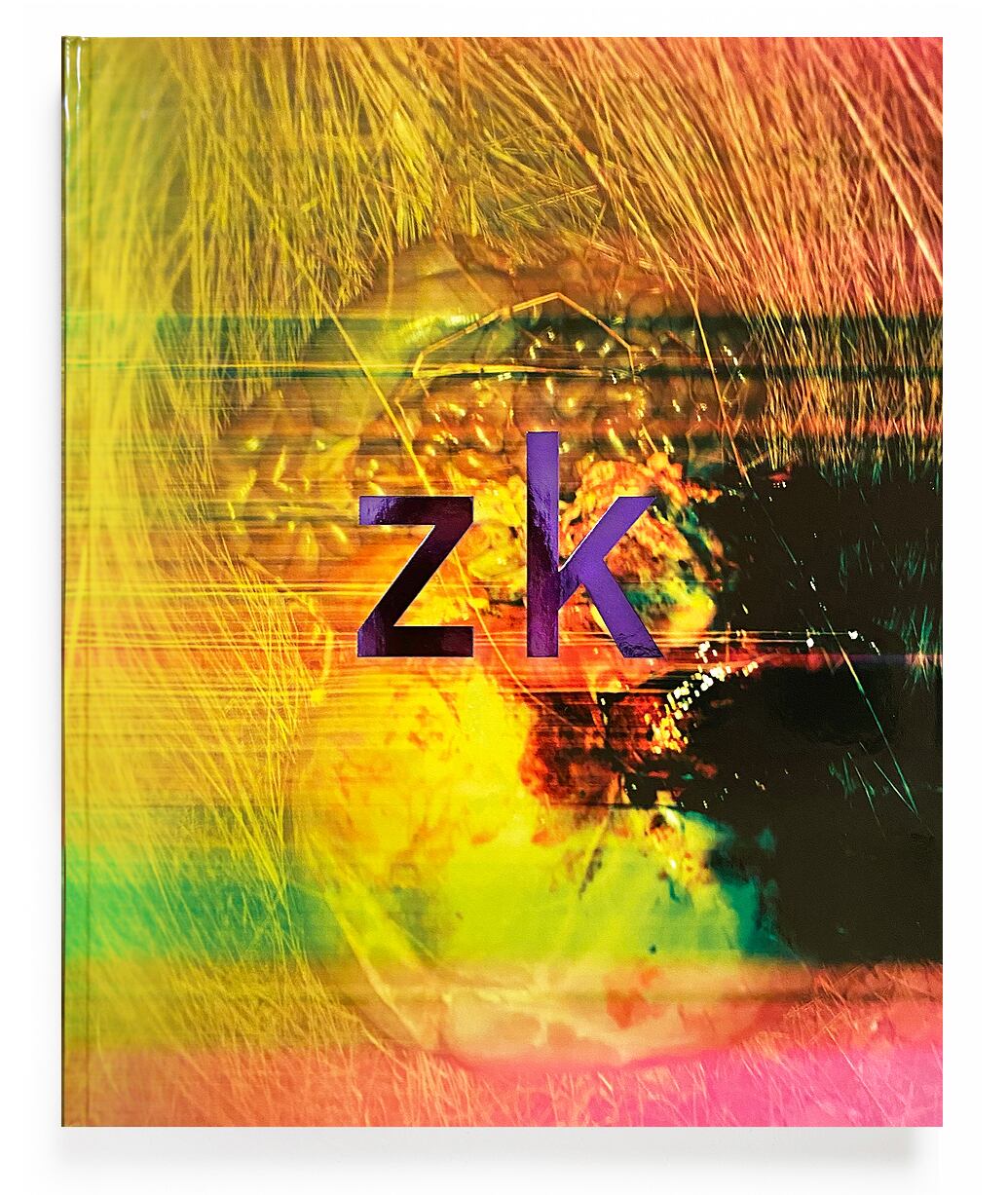


『zk』石川竜一
¥6,600
International shipping available
◽️About Book
「絶景のポリフォニー」から「zk」へ。
人間のいまの流れと自然の在り方。
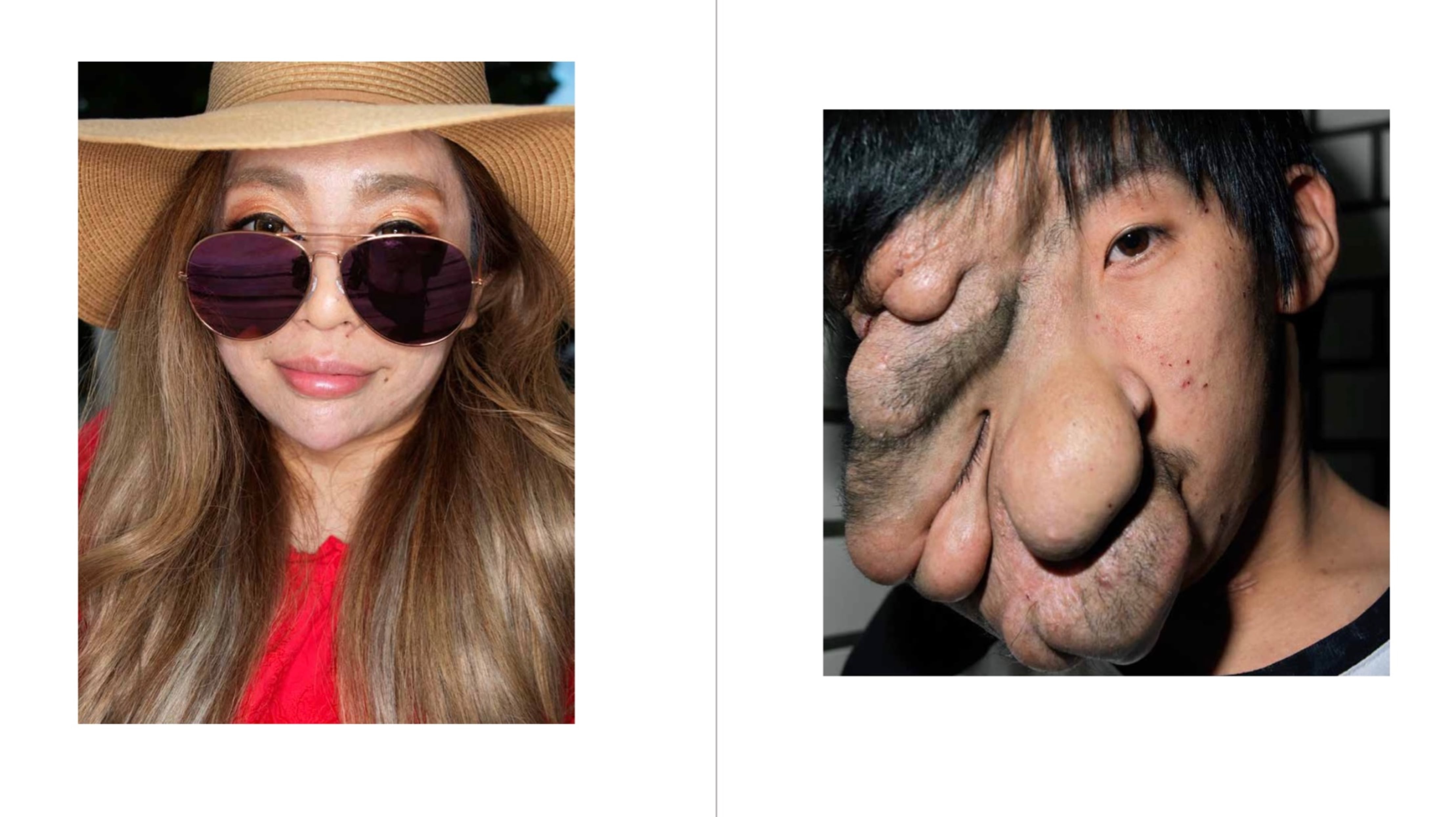
常に新たな表現の可能性に分け入る石川竜一の最新作「zk」は、石川が2014年に発表した「絶景のポリフォニー」を継ぐシリーズ。時間や場所を超えて徘徊し思考された、世界の流動する力と関係性を写し出します。
自己のコントロールを超える自然やノイズの現れ。受け入れ難いものに向き合い思い知らされるところから、写真を通して、その構造や自身の輪郭を見出そうとします。
ストリートに、国家に、宗教に、性に、歴史に、いまあるところに、いのちに、バグを内包しながら接続する「zk」。
メディアとしての写真を考え、デジタルの、人間の、いまの流れと自然の在り方を捉えるものです。
「zkとは絶景、即ち不定形な景色によって視覚を通して全身体に影響する感情の高鳴りを表す記号だ。それは、景色と感情、外と内の関係を意味する。目に映った瞬間から訪れるその感情、カメラのシャッターを切った身体の反応、それを解釈する思考は、今このときまでのすべてを内包した自分自身だ。記号は文化だ。文化とは集団だ。集団とは運動だ。運動とは存在だ。存在とは意志だ。意志とはすべての外側だ。......」
(写真集『zk』あとがきより 抜粋)
zk
Ryuichi Ishikawa
"zk" is a coded symbol for a spectacular view (zekkei in Japanese), and for the surge of emotion that floods the entire body, via the sense of sight, when we encounter certain amorphous views. It signifies the relationship between landscape and emotion, between outside and inside. The feelings that emerge the moment the view is seen, the body's reaction to the camera's shutter release, the thought process of interpreting them, the self which encompasses all that has occurred up to the present moment. Symbols are culture. Culture is the collective. The collective is movement. Movement is existence. Existence is will. Will is the exterior of everything. All things exist, not for the purpose of someone or something in particular. The world is both outside and inside. It is only being that connects everything, and being overlaps with nothingness. Overlapping, fluctuation, entanglement. Go beyond "meaning." Simply exist as part of the world that is.
People cannot help being born and cannot help dying. To live means to accept that helplessness. All unnameable things cast their shadows under the light of the world. No one can see the world as it is, we can only ceaselessly trace its shadows. We are simply driven by emotions, and while we may be able to think about things, we can never truly know anything about them. There is certainly no way to know where we ourselves are headed.
Where is the boundary between outer surface and interior? Where do the concrete and the abstract connect? Objects, as we see them, are not absolute. To see objects is to see the relationship between them, it is simply a state of flowing energy. The world appears to be saturated with objects and information, but even blank spaces only exist in relation to objects, and all the while, the world is filled with energy and bound by relationships.
There are things that photographs cannot capture, too. Still, they enable us to engage with and interpret things to which it is difficult to give form. A photograph is nothing but a photograph, and for us similarly to be nothing other than what we are, the best we can hope for is to face what is occurring in front of us and around us, to stop adopting an aloof or defiant attitude, to abandon the idea that we are unconcerned and uninvolved. So many things are sad, so many things are painful, that's why I hate a world like this. That's why even if I have to grapple with these things, struggle, feel like I'm about to be crushed, I like and admire people who can simply be happy to be alive, even if there is no meaning to it. And as time goes by, as it always does, I long for the past that must have been, look ahead to the future that is still unknown, and simply look at what is in front of me. At the people who are always with me, the people who have left my life, the people I only encountered briefly. At the misery, the emptiness, the isolation of wandering lost in a concrete jungle. Because otherwise, all connections would be broken.
A spectacular view is an idea. To me, a spectacular view is whatever one sees when living life with eyes wide open, looking straight ahead.
In editing this photo book, I was thoroughly confronted with and inevitably reminded of where I am at the moment. Ah, this is how I see the world. This is how I live my life. Did I will myself to be this way, and if so, how did I become the way I am? Did I just click-click the camera shutter as if nodding my head for a brief instant? Am I that empty and hollow? If so, how do I really want things to be?
Just before I had finalized the layout of the book, I awoke from a dream in which my father had killed me, and was surprised to find tears streaming down my cheeks. The emotion that lingered was not fear, but a kind of loneliness bordering on insanity, or the nostalgic sense of being left behind in a void.
Suddenly, the Miyaji family cat appears from under the table and curls up on the keyboard on which I am writing this. "654eeeeeeeeeeeeeeeeeeeeeeeeeeeeeeeeeeeeeeeeeee"...
How can I see you from here?
(from the text "zk" by Ryuichi Ishikawa)